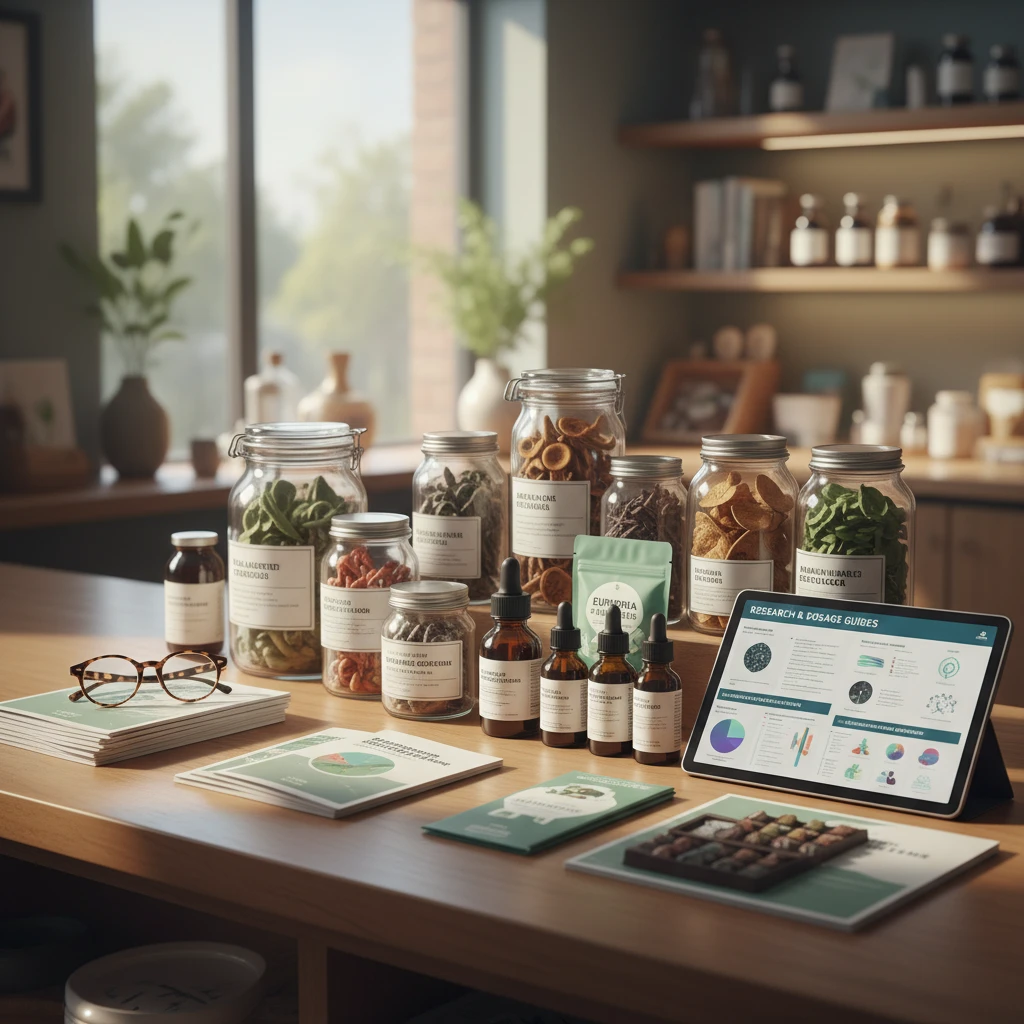
The landscape surrounding access to consciousness-expanding substances is rapidly evolving, marked by a growing dialogue around therapeutic potential and personal exploration. As understanding deepens and certain jurisdictions explore decriminalization or regulated access, consumers face a more complex, yet potentially rewarding, market. Navigating this emerging terrain requires careful consideration and a commitment to informed decision-making.
This guide is designed to equip you with the knowledge necessary to make responsible choices when seeking legal psychedelic substances. We will delve into the intricacies of legal frameworks, highlight key substances available for sale, and provide actionable advice on verifying product quality and ensuring a safe purchasing experience. Our aim is to empower you to approach this journey with confidence and clarity.
Navigating the Emerging Landscape of Legal Psychedelic Access
The conversation around psychedelics has shifted dramatically, moving from fringe counterculture to mainstream scientific and therapeutic interest. This growing acceptance is driving changes in legal access, though the landscape remains highly fragmented and often nuanced. As of 2026, a patchwork of regulations exists across different regions, influencing what substances are available and under what conditions they can be legally obtained. Understanding these evolving frameworks is the first critical step for anyone considering exploring these powerful compounds. Consumers must remain vigilant, as legality can vary significantly even within the same country, and what is permissible in one city or state may be strictly prohibited elsewhere.
The shift towards recognizing the therapeutic potential of psychedelics, particularly for conditions like depression, PTSD, and addiction, has been a major catalyst for these legal changes. Research institutions and some healthcare providers are at the forefront of these developments, often operating under specific research protocols or pilot programs. This growing body of evidence fuels public interest and advocacy for broader, regulated access. However, it’s crucial to distinguish between substances used in clinical settings and those available through other legal channels, which may have different quality controls and oversight. Staying informed about scientific advancements and policy changes is paramount for anyone engaging with the legal psychedelic market.
Understanding the Shifting Legal Frameworks in 2026
In 2026, the legal status of psychedelic substances remains a complex and dynamic issue. While some regions have moved towards decriminalization or medical access for specific compounds like psilocybin and MDMA, others maintain strict prohibition. It is essential to understand that “legal psychedelics for sale” does not imply a universally regulated market. Many jurisdictions differentiate between personal use, medical use, and commercial sales, each with its own set of rules. For instance, certain states or cities might allow for the regulated sale of psilocybin-containing mushrooms for therapeutic purposes, often requiring a facilitator and specific screening processes. Conversely, other areas might classify these substances as Schedule I drugs, making any possession or sale illegal. Staying updated on local ordinances and national legislation is crucial before making any purchase or engaging in use. Resources that track these legal shifts, such as those provided by drug policy reform organizations, can be invaluable.
The distinction between medical and recreational or personal access is a key area of legal evolution. While groundbreaking research continues to explore the efficacy of psychedelics in treating mental health conditions, these therapeutic applications are typically administered in controlled clinical environments under professional supervision. Outside of these specific programs, consumers may find substances available through different legal avenues, such as online platforms that operate within specific regulatory loopholes or in regions with more liberal drug policies. It is imperative to research the specific legal standing of any substance you intend to purchase or use in your locale. Failure to do so can lead to significant legal repercussions. Always consult official government sources or legal counsel for definitive information regarding the legality of specific substances in your jurisdiction.
Why Informed Choices Are Crucial for Your Psychedelic Journey
Embarking on a journey with psychedelic substances, even when legally obtained, demands a high degree of personal responsibility and informed decision-making. The potency and purity of these compounds can vary significantly, directly impacting the experience and potential risks. Without a thorough understanding of what you are consuming, you risk encountering unexpected psychological effects, adverse reactions, or even legal entanglements. Prioritizing education about set, setting, dosage, and potential contraindications is not merely advisable; it is a fundamental aspect of safe and meaningful exploration. Making informed choices ensures that your experience aligns with your intentions, whether that be personal growth, spiritual insight, or therapeutic exploration.
The market for psychedelic substances, even in its nascent legal forms, can be a minefield of misinformation and variable quality. Sourcing from reputable vendors who provide transparent information about product origin, testing, and potency is paramount. Relying on anecdotal evidence or unverified claims can lead to purchasing adulterated or substandard products, which can be ineffective at best and dangerous at worst. For example, a batch of psilocybin mushrooms might appear visually identical but contain significantly different levels of active compounds, leading to unpredictable effects. Likewise, synthetic compounds could be mislabeled or contain harmful contaminants. Therefore, cultivating a discerning eye and prioritizing vendors who demonstrate a commitment to quality assurance is essential for a safe and positive outcome.
Demystifying Available Legal Psychedelics for Sale
As the legal landscape shifts, a variety of psychedelic substances are becoming more accessible, each with its unique profile of effects, risks, and potential benefits. Understanding the key characteristics of these compounds is vital for making appropriate choices for your intended experience. From the rapid onset of DMT to the longer, more introspective journeys with psilocybin, each substance offers a distinct pathway for exploration. This section will provide an overview of some of the most commonly encountered legal psychedelics, focusing on their core attributes and considerations for responsible acquisition and use.
The term “legal psychedelics for sale” encompasses a range of substances, the legality of which is often dependent on jurisdiction and specific formulations. It is critical to distinguish between substances that are medically approved or decriminalized for therapeutic use and those available through other regulated channels. For instance, ketamine is legally prescribed for certain medical conditions, and its use in a clinical setting is distinct from its availability through other avenues. Similarly, while psilocybin is gaining traction for therapeutic applications, its sale and possession outside of these specific frameworks are governed by different laws. Always verify the legality in your specific location before attempting to purchase or use any psychedelic substance.
DMT: Potency, Forms, and User Experiences
N,N-Dimethyltryptamine, commonly known as DMT, is a potent psychedelic compound found naturally in various plants and animals. It is renowned for its intensely powerful, short-lived effects, often described as a “breakthrough” experience that can transport users to other realities. The potency of DMT refers to the concentration of the psychoactive compound, which is typically measured in percentages. Higher potency generally correlates with a more profound and overwhelming experience, even at lower doses. User experiences can range from vivid visual hallucinations and ego dissolution to profound mystical or alien encounters. Many users report feeling a deep sense of connection to the universe or receiving profound insights during a DMT experience.
DMT is available in several forms, each influencing its administration and the nature of the experience. The most common forms include crystalline DMT (often referred to as “crystal meth” or “pure DMT”) and DMT vape juice or cartridges. Crystalline DMT is typically vaporized using specialized equipment like dab rigs or vaporizers designed for concentrates. This method allows for precise dosing and a rapid onset of effects, usually within seconds. DMT vape juice, often mixed with a carrier liquid, offers a more convenient and discreet way to consume DMT, typically through a standard vape pen. The experience from vape juice can be similar but may be perceived as slightly less intense by some users due to potentially slower absorption. Regardless of the form, the intensity and duration of the experience are heavily influenced by the dose and the individual’s mindset and setting.
LSD: Purity, Potency, and Responsible Sourcing
Lysergic acid diethylamide, or LSD, is a powerful hallucinogenic compound known for inducing profound alterations in perception, mood, and thought processes. The purity of LSD is a critical factor, as contaminants can lead to unpredictable and potentially harmful effects. High-purity LSD will typically be colorless and odorless, and its potency is usually measured in micrograms (mcg). The effects of LSD can last for 8 to 12 hours, making a strong emphasis on set and setting—your mental state and physical environment—essential for a positive experience. Users often report enhanced sensory perception, altered time perception, and deep introspection. Responsible sourcing ensures that the LSD you acquire is as pure as possible and accurately dosed, minimizing the risk of encountering illicitly manufactured substances with unknown ingredients.
When purchasing LSD, it is crucial to be aware of potential variations in potency and the common forms it is sold in. LSD is most frequently encountered on blotter paper, where it is absorbed onto small squares of absorbent paper, each designed to contain a specific microgram dosage. However, the accuracy of these dosages can vary wildly depending on the source. Other forms include liquid LSD, which requires careful measurement, and microdots or gel tabs. Reputable vendors will provide clear information about the estimated potency per dose. Understanding that a “strong” tab might contain 150 mcg or more, while a “weak” one could be 75 mcg or less, helps in planning your experience appropriately. Always prioritize sources that offer transparent details about their products and employ rigorous testing to ensure integrity.
Magic Mushrooms (Psilocybin): Cultivar Varieties and Effects
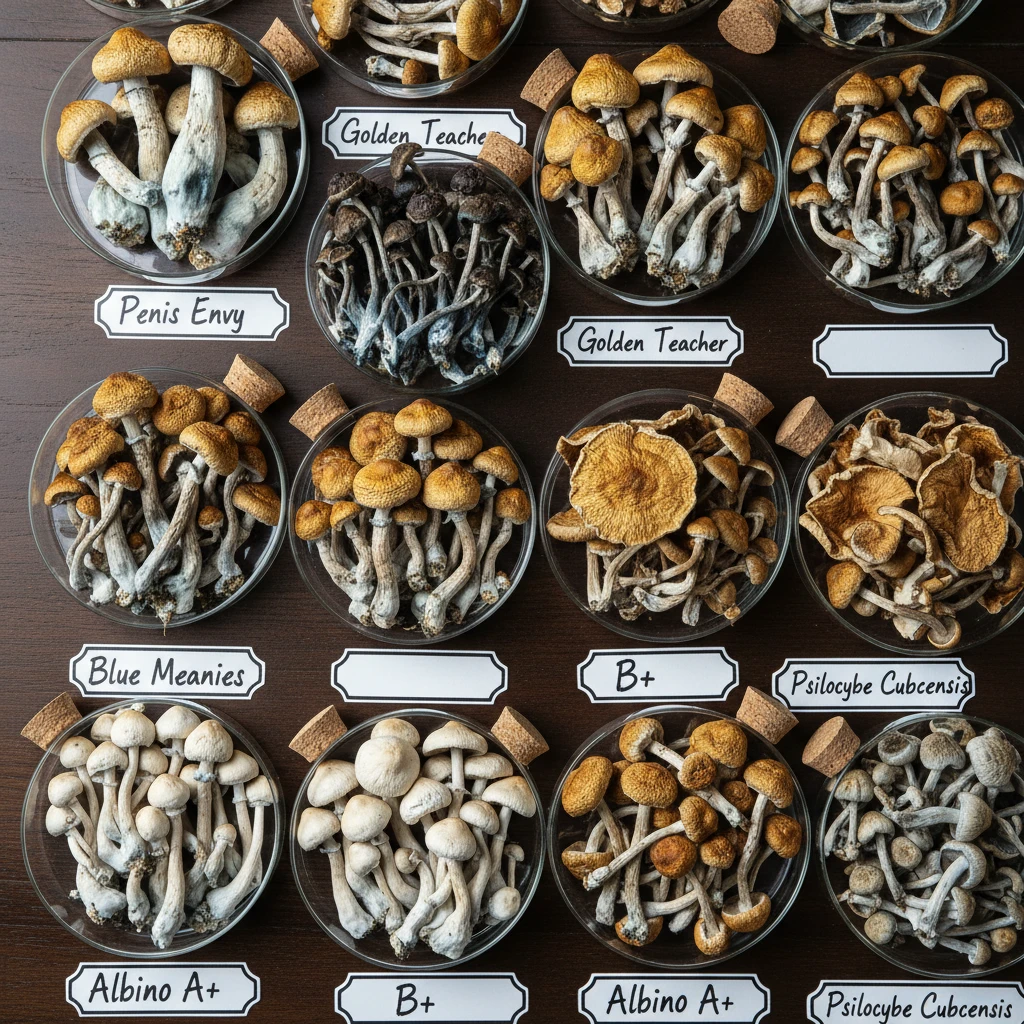
Magic mushrooms, containing the psychoactive compound psilocybin, have been used for centuries for their profound spiritual and psychological effects. There is a vast array of psilocybin mushroom cultivars, each with distinct characteristics in terms of potency, growth patterns, and subjective effects. Potency in psilocybin mushrooms is primarily determined by the concentration of psilocybin and psilocin, which can vary significantly even within the same species. Some popular cultivars, like “Golden Teacher” or “Blue Meanies,” are known for their balanced effects, offering a blend of visual distortions, introspective thought, and a sense of euphoria. Others, such as “Penis Envy,” are reputed to be significantly more potent, often leading to more intense and challenging experiences.
When looking to purchase magic mushrooms online, understanding these cultivar differences can help you choose a product that aligns with your experience level and desired outcomes. For novice explorers, choosing a less potent or more widely studied cultivar might be advisable. Experienced users might seek out strains known for their intensity or unique effects. Beyond potency, the subjective effects can include enhanced creativity, emotional release, and a greater sense of connection to nature or the self. It is vital to source your mushrooms from reputable suppliers who can provide accurate information about the cultivar and its estimated potency. The ability to purchase magic mushrooms online from trusted vendors ensures that you are receiving a product that has been grown and handled with care, maximizing the potential for a safe and insightful experience.
Ketamine: Therapeutic Applications and Accessibility
Ketamine, initially developed as an anesthetic, has garnered significant attention for its rapid antidepressant effects and therapeutic potential in treating various mental health conditions, including PTSD, anxiety, and substance use disorders. In a clinical setting, ketamine is administered intravenously or intramuscularly by medical professionals, often in a carefully controlled therapeutic context. This form of administration allows for precise dosing and monitoring, ensuring patient safety and optimizing therapeutic outcomes. The experience can range from mild dissociation and euphoria to profound introspective or even mystical states, depending on the dosage and individual response.
Accessibility to ketamine outside of traditional medical settings has expanded, particularly with the advent of intranasal ketamine formulations and at-home treatment protocols prescribed by specialized clinics. These options aim to provide a more convenient and accessible route for individuals who benefit from ketamine therapy but may face barriers to in-person clinic visits. It is crucial to understand that even with at-home protocols, supervision and guidance from a qualified healthcare provider are essential. The substance is potent and requires careful management to mitigate risks and maximize benefits. When seeking high-quality ketamine, prioritize licensed providers and ensure that comprehensive screening and follow-up care are part of the treatment plan to guarantee safety and efficacy.
Iboga: Sacred Plant Medicine and Its Nuances
Iboga is a unique and complex plant medicine derived from the root bark of the *Tabernanthe iboga* shrub, indigenous to Central Africa. It is revered as a sacred plant by various ethnic groups and is traditionally used in spiritual ceremonies and as a powerful rite of passage. Iboga is most recognized for its profound detoxifying properties, particularly in treating opioid addiction, as well as its potent psychoactive effects, which can lead to deep introspection, vivid visions, and a profound re-evaluation of one’s life. The experience is often described as intensely challenging yet ultimately transformative, bringing repressed memories and emotions to the surface for processing.
Due to its intensity and the potential for significant physiological effects, including cardiac risks, Iboga should only be approached with extreme caution and under the guidance of experienced practitioners. The nuances of Iboga therapy lie not only in its chemical composition but also in the spiritual and cultural context of its use. Determining the correct dosage is critical and depends on many factors, including the specific preparation, the individual’s body mass, and their prior experience with psychoactive substances. For those considering its use, seeking out reputable centers or experienced healers who prioritize safety protocols, thorough medical screening, and a supportive post-experience integration process is paramount. While not as widely available as other psychedelics, understanding its sacred nature and potential benefits underscores the importance of responsible exploration when authentic iboga capsules or other preparations are sought.
Prioritizing Purity and Potency: What to Look For When You Buy DMT Online
When venturing into the market to buy DMT online, understanding the critical factors of purity and potency is non-negotiable. The effectiveness and safety of your experience are directly tied to the quality of the product. DMT, being a powerful compound, demands rigorous standards to ensure it is free from harmful adulterants and accurately dosed. Impure DMT can lead to unpredictable and potentially dangerous side effects, ranging from severe anxiety to physical discomfort. Therefore, prioritizing vendors who offer transparent testing, detailed product descriptions, and a commitment to ethical sourcing is paramount for a safe and profound journey.
The term “potency” in relation to DMT refers to the concentration of N,N-Dimethyltryptamine. Higher potency means a more intense experience, even at lower doses. Conversely, lower potency may require larger doses to achieve desired effects, potentially increasing the risk of adverse reactions if the lower potency is due to dilution with inert substances or dangerous cutting agents. A reputable vendor will clearly state the purity percentage or provide laboratory test results to verify the compound’s integrity. Always look for explicit information regarding purity. Furthermore, understanding the different forms in which DMT is sold is crucial for managing potency expectations and ensuring correct usage. A focus on these aspects of quality control will significantly enhance the safety and transformative potential of your DMT exploration.
Indicators of High-Quality DMT
Identifying high-quality DMT involves looking for several key indicators that signal purity and responsible manufacturing. Visually, pure crystalline DMT typically appears as white or off-white crystals, often with a slightly yellowish or amber hue, especially if it has undergone a less refined extraction process. It should have a crystalline structure rather than being a fine powder or waxy substance. The absence of strong, unpleasant chemical odors is also a good sign; while DMT can have a faint chemical smell, overpowering or acrid odors often suggest impurities. Many reputable online vendors will provide Certificates of Analysis (CoAs) from third-party laboratories, detailing the purity percentage and confirming the absence of common adulterants. These reports are the most reliable indicators of quality.
Furthermore, consider the vendor’s reputation and transparency. Do they offer detailed product descriptions, including the extraction method (e.g., A/B extraction vs. direct extraction) and any potential carrier agents used? A willingness to answer customer questions thoroughly and provide evidence of product testing demonstrates a commitment to quality. Reviews and testimonials from other users can also offer insights, though they should be considered alongside more objective evidence like CoAs. Lastly, the price can be an indicator; extremely low prices for DMT may suggest a compromise in purity or ethical sourcing. Investing a bit more for a verifiably pure product from a trusted source is always the safer and more rewarding choice for your psychedelic journey. Buy DMT online with confidence by adhering to these quality benchmarks.
Understanding Different DMT Forms (Crystal, Vape Juice)
DMT is most commonly encountered in two primary forms: crystalline DMT and DMT vape juice. Crystalline DMT, often referred to as “pure DMT” or “crystal meth,” is the raw, extracted form of the compound. It typically appears as white, off-white, or slightly yellowish crystals. This form is most often vaporized using specialized devices like dab rigs or vaporizers designed for concentrates. The vaporization process must reach a sufficient temperature to convert DMT into its gaseous state for inhalation. This method allows for a very rapid onset of effects, often within seconds, and a deeply immersive, short-lived experience. The intensity of the experience is directly proportional to the dose and the purity of the crystals.
DMT vape juice, on the other hand, is DMT that has been dissolved in a carrier liquid, such as propylene glycol (PG) or vegetable glycerin (VG), and is designed for use in standard electronic cigarettes or vape pens. This offers a more convenient and discreet method of consumption. While the experience can be very similar to vaporized crystals, some users report that the onset might be slightly slower, and the peak intensity might be marginally less pronounced compared to meticulously vaporized crystalline DMT. However, for many, the ease of use and portability make vape juice the preferred option. Regardless of the form, ensuring the purity of the DMT base and the quality of the carrier liquid is crucial for a safe and profound experience. When you buy DMT online, clarity on the form and its associated usage methods is essential.
Storage and Handling for Optimal Potency
To ensure the longevity and potency of your DMT, proper storage and handling are paramount. DMT is sensitive to light, air, and heat, all of which can degrade the compound over time, reducing its psychoactive strength. The ideal storage environment for crystalline DMT involves keeping it in an airtight, opaque container, such as a dark glass jar or a sealed Mylar bag, to protect it from light and oxidation. It should be stored in a cool, dry place, away from direct sunlight and sources of heat. Refrigeration is generally not recommended unless it is in a thoroughly sealed container, as condensation can form and damage the product. Maintaining a consistent, cool temperature is key to preserving its integrity.
When handling DMT, always do so in a clean environment to prevent contamination. If you are preparing to use crystalline DMT, it’s best to weigh out only the amount you intend to use immediately to avoid repeated exposure of the bulk product to air and light. For DMT vape cartridges, store them upright to prevent leakage, and keep them away from extreme temperatures. Prolonged exposure to heat, such as leaving a cartridge in a hot car, can degrade the DMT and potentially alter its chemical composition. Following these simple yet crucial storage and handling guidelines will help ensure that your DMT retains its intended potency and purity for an extended period, allowing for consistent and reliable experiences whenever you choose to engage with this powerful substance.
Ordering LSD Safely: Ensuring Product Integrity and Reliable Delivery
The acquisition of LSD, even in jurisdictions where it may be more accessible for personal use or research, demands a rigorous approach to safety, integrity, and reliability. Given that LSD is a potent psychoactive substance, its purity and accurate dosage are critical for a positive and predictable experience. Engaging with the market requires a discerning eye to identify trustworthy sources that prioritize product quality and secure, discreet delivery. The risks associated with unverified or counterfeit products are significant, ranging from ineffective experiences to severe psychological distress due to unknown contaminants or wildly inaccurate dosages. Therefore, a commitment to informed purchasing practices is essential for anyone looking to safely buy psychedelics online.
When ordering LSD, particularly online, diligence in verifying the vendor’s legitimacy and the product’s provenance is paramount. This involves researching the seller, looking for transparent information about their sourcing, testing procedures, and customer feedback. The goal is to ensure that the LSD you receive is of high purity and accurately represented in terms of its microgram dosage. Unreliable sources may offer products that are under-dosed, over-dosed, or even contain entirely different, potentially harmful, substances. Prioritizing vendors who can provide evidence of product integrity, such as laboratory analysis results, and who demonstrate a commitment to secure and discreet shipping protocols, will greatly mitigate risks and contribute to a more confident and positive experience.
Identifying Reputable Sources for LSD
Identifying reputable sources for LSD is a critical step in ensuring both product integrity and personal safety. In the current landscape, where much of the trade occurs online, discerning legitimate vendors from fraudulent ones requires careful investigation. Look for vendors who provide extensive product information, including the estimated potency in micrograms per dose and details about the synthesis or sourcing process. Transparency regarding testing procedures, such as third-party laboratory analysis, is a strong indicator of a vendor’s commitment to quality. Many trustworthy online dispensaries will offer Certificates of Analysis (CoAs) for their products, which provide detailed information about purity and the absence of adulterants.
Beyond product specifics, a vendor’s overall reputation matters. Seek out online communities, forums, and review sites where users share their experiences with different vendors. While anecdotal evidence should be cross-referenced, consistent positive feedback regarding product quality, accurate dosing, and reliable delivery can be a good sign. Reputable sources also tend to have clear customer service policies, offer secure payment options, and provide discreet packaging and shipping. Avoid vendors who make exaggerated claims, pressure you to buy quickly, or offer unusually low prices, as these can be red flags for counterfeit or low-quality products. Prioritizing vendors who demonstrate a consistent commitment to ethical practices and product excellence is key to a safe and satisfying experience.
What to Expect Regarding Dosage and Blotter Quality
When purchasing LSD, understanding dosage and blotter quality is fundamental to managing expectations and ensuring a predictable experience. LSD is typically measured in micrograms (mcg). Common dosages range from 50-75 mcg for a mild or microdosing experience, 100-150 mcg for a standard dose, and 200 mcg or more for a strong, immersive journey. Reputable vendors should clearly label the estimated potency of each blotter or liquid dose. However, it’s crucial to recognize that illicitly produced LSD, especially on blotter paper, can vary wildly in potency. One tab might contain significantly more or less active compound than another from the same sheet, or even from the same vendor if quality control is lacking.
The quality of the blotter paper itself can also be an indicator. High-quality blotter paper is usually evenly saturated and free of defects. The ink used for the designs should be clear and consistent. Poorly made blotters may have uneven ink coverage, smudging, or be made of low-grade paper that disintegrates easily. Some sources may even use counterfeit blotters that do not contain LSD at all or contain other substances. For these reasons, it is always recommended to start with a lower dose than expected when trying a new source, especially if precise dosing information is not readily available. Researching the source and prioritizing those with transparent information about their products is the most effective way to ensure you receive accurately dosed and high-quality LSD.
Discreet Packaging and Shipping Protocols
Discretion in packaging and shipping is a paramount concern for many individuals seeking to purchase LSD or other substances online. Reputable vendors understand the sensitive nature of these transactions and prioritize customer privacy through meticulous packaging and shipping protocols. This typically involves using plain, unmarked packaging that offers no indication of the contents within. Outer shipping materials, such as envelopes or boxes, are usually generic and free of any company logos or distinctive markings that could draw unwanted attention. The goal is to ensure that the package appears as any other standard mail delivery, safeguarding the recipient from potential scrutiny or unwanted inquiries.
Beyond the exterior appearance, secure shipping methods are also crucial. This includes using reliable shipping carriers that offer tracking services, allowing customers to monitor their package’s progress from dispatch to delivery. Some vendors may offer expedited shipping options for those who require their order more quickly, while also ensuring the same level of discretion. Furthermore, reputable online retailers will often employ tamper-evident seals on their internal product packaging to assure customers that the product has not been interfered with during transit. Adherence to these discreet packaging and shipping protocols is a strong indicator of a vendor’s professionalism and commitment to customer privacy and security, making it easier for consumers to purchase legal psychedelics with confidence.
Purchasing Magic Mushrooms Online: From Cultivar to Consciousness
Navigating the online marketplace for magic mushrooms requires a discerning eye, focusing on factors that influence the quality and efficacy of your experience. When you decide to buy magic mushrooms online, consider the cultivation methods. Strains are developed through selective breeding, resulting in diverse chemical profiles and effects. Understanding the origin of the psilocybin-containing mushrooms you purchase can provide insights into their potency and the expected journey. Reputable vendors often provide detailed information about the specific strains they offer, including their lineage and typical characteristics. This transparency is crucial for making an informed decision, especially when seeking specific therapeutic or experiential outcomes. Always look for vendors who are transparent about their sourcing and cultivation practices to ensure you receive a reliable product.
Comparing Psilocybin Mushroom Potency Across Strains
The potency of magic mushrooms varies significantly between different strains, primarily due to their differing concentrations of psilocybin and psilocin, the key psychoactive compounds. For instance, strains like ‘Albino Penis Envy’ are generally known for their exceptionally high potency, often leading to more intense psychedelic experiences. In contrast, strains like ‘Golden Teacher’ are considered moderate in potency, making them a popular choice for beginners or those seeking a less overwhelming journey. When exploring options to purchase magic mushrooms online, pay close attention to the descriptions of each strain. Vendors should ideally provide an estimated potency range or a subjective potency rating (e.g., mild, moderate, strong). This information is vital for aligning your choice with your experience level and desired outcomes. Researching strain-specific characteristics beforehand can help you avoid unexpected intensity and ensure a more controlled and enjoyable exploration.
Dried vs. Fresh: Pros and Cons for Your Experience
The form in which you purchase magic mushrooms — dried or fresh — significantly impacts their shelf life, potency, and preparation. Dried mushrooms are the most common form available for purchase online due to their extended shelf life, typically months or even years when stored correctly in an airtight container away from light and moisture. This convenience makes them ideal for longer-term storage and easier dosing. Fresh mushrooms, while containing slightly more water weight and potentially a different textural experience, have a much shorter shelf life, often only a week or two, even with refrigeration. They can be more challenging to dose precisely due to water content variability. If you are looking for convenience and a consistent product, dried mushrooms are often the preferred choice. For those seeking a unique experience or who plan to consume them immediately, fresh mushrooms offer a different, albeit less shelf-stable, option. Understanding these differences is key to choosing the right product for your needs when you buy magic mushrooms online.
Understanding the Life Cycle of Magic Mushroom Products
The journey from cultivation to consumption involves several stages, each affecting the final product. Magic mushrooms are typically grown from spores and undergo a process of colonization, fruiting, and harvesting. Once harvested, they are usually dried to preserve them. The drying process is critical; improper drying can lead to degradation of psilocybin, reducing potency. Subsequently, products are packaged. The quality of packaging plays a role in maintaining freshness and preventing contamination. For instance, vacuum-sealed, airtight containers in dark environments are best for preserving potency. Understanding this life cycle, from the moment the mushrooms are cultivated to how they are processed and packaged, provides a deeper appreciation for the care taken by reputable vendors. This knowledge empowers you to assess the potential quality and freshness of the products offered when you seek to buy magic mushrooms online.
Securing High-Quality Ketamine for Therapeutic and Personal Exploration
Acquiring high-quality ketamine requires a meticulous approach, distinguishing between pharmaceutical-grade options and less regulated research chemicals. For therapeutic or personal exploration, the purity and source of ketamine are paramount to ensuring safety and efficacy. Pharmaceutical-grade ketamine is manufactured under strict quality control standards, ensuring a predictable chemical composition and absence of harmful contaminants. This is the standard used in medical settings and is generally considered the safest option. Research chemicals, while sometimes chemically similar, may lack the same rigorous testing and quality assurance, potentially posing greater risks. When considering options to purchase ketamine, prioritize vendors who can clearly demonstrate the origin and purity of their products, ideally with accompanying certificates of analysis. This diligence is essential for any responsible use.
Pharmaceutical Grade vs. Research Chemicals: Key Differences
The distinction between pharmaceutical-grade ketamine and research chemicals is critical for user safety. Pharmaceutical-grade ketamine is produced in FDA-approved facilities, adhering to stringent Good Manufacturing Practices (GMP). This ensures a consistent potency, purity, and sterility, free from harmful byproducts or adulterants. It is the form typically administered in clinical settings for anesthesia or rapid-acting antidepressant treatments. Research chemicals, on the other hand, are often produced in less regulated environments and are intended for laboratory use, not human consumption. While they may have the same chemical formula, their purity, manufacturing standards, and potential contaminants are often unknown or variable. Relying on research chemicals for personal use carries significant risks, including unknown side effects and inconsistent dosing. Always prioritize understanding the source and quality assurance behind any ketamine product you consider. The safest path involves seeking out products that meet pharmaceutical standards. A comprehensive guide to understanding these differences can be found on resources dedicated to safe psychedelic sourcing, such as legal psychedelics: sourcing wisdom.
Safe Administration Methods and Dosage Considerations
Administering ketamine safely involves understanding various methods and carefully controlling dosage. Ketamine can be administered intravenously, intramuscularly, intranasally, or orally. Each method has a different onset time, duration, and intensity of effects. Intravenous and intramuscular routes are typically used in medical settings for rapid and predictable effects. Intranasal administration, while also rapid, can be more challenging to dose accurately outside of a controlled environment. Oral administration (as lozenges or capsules) has a slower onset and longer duration, often favored for personal exploration due to its gentler introduction. Dosage considerations are paramount. Starting with very low doses and gradually increasing is a fundamental harm reduction strategy. Factors such as body weight, individual tolerance, and the intended experience (therapeutic versus recreational) all influence the appropriate dose. It is crucial to consult reliable dosing guides or experienced practitioners, as inaccurate dosing can lead to dangerous outcomes. Using accurate scales for precise measurement is non-negotiable.
The Role of Medical Supervision and Setting
The context in which ketamine is used profoundly influences the safety and therapeutic potential of the experience. Ideally, ketamine administration for therapeutic purposes should occur under the supervision of trained medical professionals. This ensures proper monitoring of vital signs, immediate intervention in case of adverse reactions, and guidance through the psychological aspects of the experience. Even for personal exploration, the “setting”—the physical and social environment—plays a critical role. A safe, comfortable, and familiar environment can promote feelings of security and reduce anxiety, enhancing the likelihood of a positive experience. Conversely, an unfamiliar or stressful setting can amplify negative emotions and potentially lead to a difficult or even traumatic experience. Creating a supportive atmosphere, whether alone or with trusted companions, is a key component of responsible ketamine use. This includes preparing the space beforehand and having someone sober and supportive present if possible.
Making Responsible Decisions: Safety First with Psychedelic Substances
Embracing the potential benefits of psychedelic substances necessitates a robust commitment to responsible decision-making and prioritizing safety above all else. This involves thorough research into the substances themselves, understanding their effects, potential risks, and legal status in your region. Informed choices are the bedrock of any safe psychedelic journey. This means not only understanding what you are taking but also the context in which you are taking it. Factors like your mental state, physical health, and the environment you are in all contribute significantly to the overall experience. When you consider acquiring any substance, such as when you look to safely buy psychedelics online, ensure the vendor prioritizes purity, accurate labeling, and transparent information. Ultimately, responsible use is about maximizing potential positive outcomes while minimizing potential harm.
Harm Reduction Strategies for Every Experience
Harm reduction is a pragmatic approach to minimizing the risks associated with psychedelic use, regardless of legality or intent. A foundational strategy is thorough research into the specific substance you intend to use. Understanding its effects, duration, potential interactions with other medications, and contraindications is crucial. Testing your substances for purity and correct identification using reputable testing kits is another vital step, especially when sourcing from new vendors. Planning your experience by ensuring you are in a safe, comfortable, and supportive environment (the “set and setting”) is paramount. It’s also wise to avoid mixing substances, as interactions can be unpredictable and dangerous. For substances like psilocybin, starting with a low dose, especially for beginners, is a key harm reduction technique. Having a trusted, sober friend present (“trip sitter”) can also provide invaluable support and de-escalation if needed. These proactive measures are essential for a safer journey.
Understanding Potential Side Effects and Mitigation
While psychedelics offer profound potential, they are not without potential side effects. Common psychological side effects can include anxiety, paranoia, confusion, and unsettling hallucinations. These are often exacerbated by a lack of preparation or an uncomfortable setting. Physically, side effects can manifest as nausea, increased heart rate, elevated blood pressure, and changes in body temperature. To mitigate these risks, it’s essential to engage in thorough preparation. This includes introspective work to understand your own mental state and intentions before consumption. If anxiety arises during an experience, focusing on breathing techniques, grounding yourself in the present moment, and reminding yourself of the transient nature of the effects can be helpful. Having access to soothing music, comfortable blankets, or a trusted companion can also significantly ease distress. For physical discomforts like nausea, consuming on an empty stomach or opting for specific preparation methods can sometimes help. Always remember that serious adverse reactions, though rare, can occur, underscoring the importance of sourcing from reliable providers and avoiding untested substances.
The Importance of Set and Setting in Psychedelic Use
The concepts of “set” and “setting” are foundational to safe and meaningful psychedelic experiences. “Set” refers to the internal state of the individual – their mindset, mood, expectations, and overall psychological disposition going into the experience. A positive, grounded, and open mindset increases the likelihood of a beneficial journey, while anxiety, fear, or a negative outlook can predispose someone to a challenging experience. “Setting” encompasses the external environment – the physical location, the people present, and the overall atmosphere. A safe, comfortable, and familiar environment, free from distractions and potential stressors, is crucial for fostering relaxation and trust. Conversely, a chaotic or intimidating setting can amplify negative emotions and lead to distress. When exploring legal psychedelics, whether for therapeutic or personal reasons, dedicating significant attention to cultivating a positive set and a supportive setting is as vital as the substance itself. This mindful preparation is key to navigating the profound effects psychedelics can induce responsibly.
Evaluating the Latest Research on Psychedelic Benefits in 2026
As of 2026, the scientific community is witnessing a significant resurgence in research into the therapeutic potential of psychedelic substances. This renewed interest is driven by promising preliminary findings suggesting efficacy in treating various mental health conditions. Studies are moving beyond anecdotal evidence to rigorous clinical trials, exploring mechanisms of action and optimal therapeutic protocols. The focus is increasingly on understanding how compounds like psilocybin, MDMA, and ketamine can facilitate profound psychological shifts, often when integrated into psychotherapeutic frameworks. Researchers are investigating their impact on neuroplasticity, default mode network activity, and emotional processing. This evolving body of evidence is crucial for informing responsible use and potentially paving the way for broader acceptance and integration into mainstream healthcare. Staying informed about these developments allows individuals to make more educated choices regarding psychedelic exploration.
Therapeutic Advancements: Depression, Anxiety, and PTSD
The landscape of mental health treatment is being actively reshaped by ongoing research into psychedelic-assisted therapies. Significant advancements are being made in using substances like psilocybin and MDMA to treat conditions such as treatment-resistant depression, anxiety disorders, and Post-Traumatic Stress Disorder (PTSD). Clinical trials have demonstrated remarkable success rates, with many participants experiencing lasting relief from symptoms after just a few guided sessions. For depression, psilocybin appears to help by disrupting rigid thought patterns and promoting a sense of emotional release and renewed perspective. In the context of PTSD, MDMA-assisted therapy has shown exceptional promise in enabling individuals to process traumatic memories without being overwhelmed by fear and distress, often leading to a significant reduction in symptoms. Researchers are diligently working to understand the precise neurological mechanisms behind these effects, which seem to involve increased neuroplasticity and a temporary loosening of the brain’s typically rigid emotional pathways. The consistent positive outcomes are driving further investigation and ethical consideration for broader clinical application.
Cognitive Enhancement and Personal Growth Studies
Beyond their therapeutic applications, emerging research is also exploring the potential of psychedelics for cognitive enhancement and personal growth. Studies are investigating how substances like psilocybin and LSD, in controlled and guided settings, might foster increased creativity, problem-solving abilities, and a greater sense of interconnectedness and empathy. These effects are often linked to the temporary alteration of consciousness, which can allow individuals to perceive their thoughts, beliefs, and the world around them from novel perspectives. Researchers are examining the impact of these experiences on the Default Mode Network (DMN), a brain network associated with self-referential thought and rumination. By temporarily quieting the DMN, psychedelics may allow for a more flexible and expansive cognitive state. While these studies are in earlier stages compared to therapeutic research, they highlight the potential for psychedelics to be tools for self-discovery, expanding consciousness, and fostering personal development when approached with intention and care. The potential for expanded cognitive function is a fascinating area of ongoing exploration.
The Future of Psychedelic-Assisted Therapies
The trajectory of psychedelic research points towards a transformative future for mental healthcare. As clinical evidence continues to mount, the integration of psychedelic-assisted therapies into mainstream medical practice appears increasingly likely. We are likely to see a rise in specialized clinics and trained practitioners offering these treatments, particularly for conditions that have historically been difficult to manage with conventional methods. Future research will likely focus on refining protocols, exploring novel psychedelic compounds, and understanding long-term outcomes and potential for widespread preventative applications. Personalized medicine approaches, tailoring treatments based on individual genetic predispositions and psychological profiles, may also become more prevalent. The ethical considerations surrounding access, equity, and the responsible use of these powerful substances will continue to be a critical area of discussion and policy development, shaping how these therapies are implemented globally.
Legality of Psychedelics for Sale: A State-by-State and Global Overview
Understanding Federal and State Regulations in the US
Navigating the legal landscape of psychedelics for sale in the United States requires a granular understanding of both federal and state-level legislation. Federally, most psychedelic substances, including psilocybin (found in magic mushrooms) and DMT, are classified as Schedule I drugs under the Controlled Substances Act. This designation signifies that they are deemed to have a high potential for abuse and no currently accepted medical use. However, this federal classification does not prevent states from enacting their own laws regarding these substances. Several states have begun to explore or implement new policies, ranging from complete decriminalization to regulated therapeutic access.
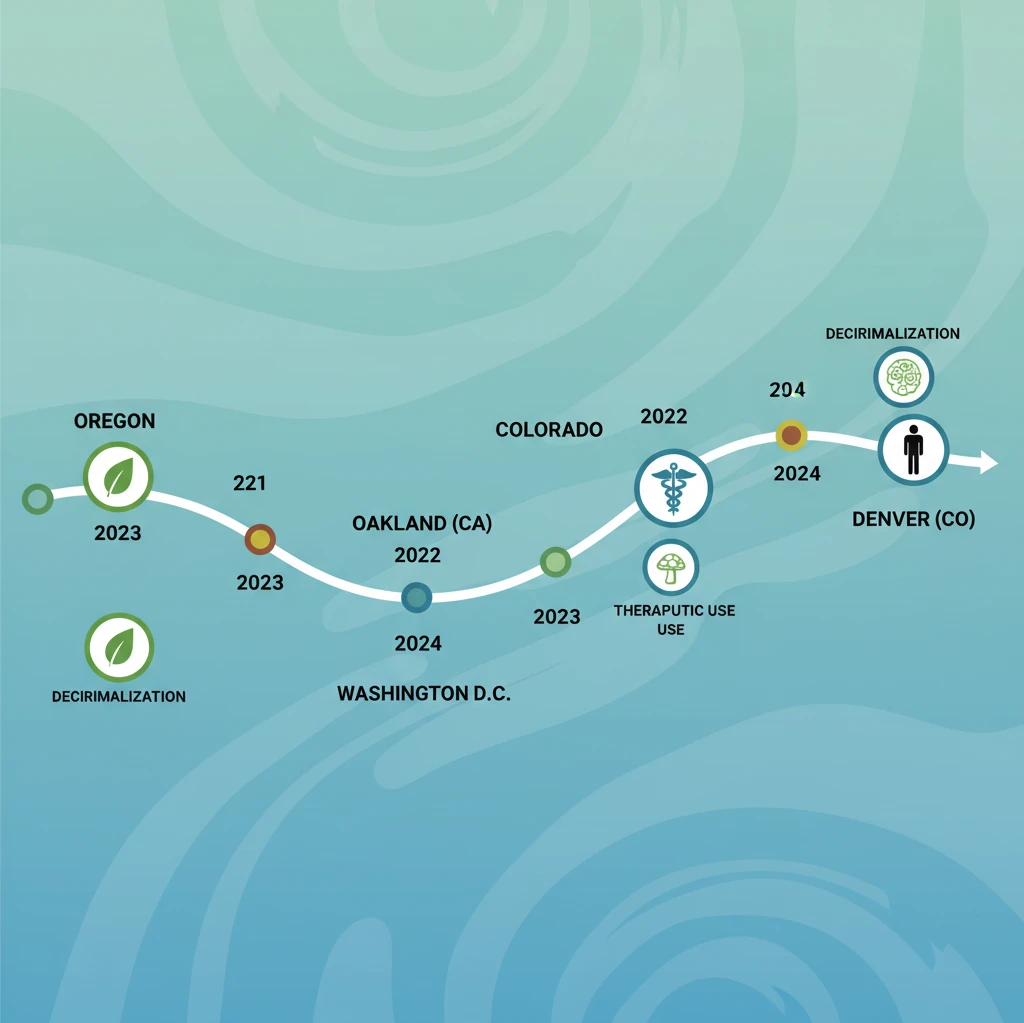
The key distinction lies in the varying approaches at the state level. For instance, Oregon has legalized psilocybin for therapeutic use in supervised settings, while states like Colorado are moving towards similar regulated access. Conversely, other states maintain strict prohibition, treating even possession of small amounts as a criminal offense. When considering purchasing psychedelics, it is paramount to understand the specific laws of your state, as well as the state from which you intend to purchase, if applicable. This patchwork of regulations means that what might be permissible in one jurisdiction could lead to severe legal consequences in another. Websites that offer psychedelics for sale must be transparent about their compliance with relevant laws, and customers bear the responsibility of being informed consumers.
Furthermore, the definition of “legal” can be complex. Some substances, like ketamine, are legal for medical use and are sometimes prescribed off-label for mental health conditions, including depression. However, purchasing ketamine outside of a legitimate medical prescription often falls into a legal gray area or is outright illegal. Similarly, the status of research chemicals or compounds not explicitly listed under federal law can be ambiguous, and their sale is frequently contested. Always verify the source and ensure they provide clear information on their product’s legal standing and compliance. For those seeking to purchase psilocybin products, understanding resources that offer insights into purchasing options is crucial, as seen in guides detailing how to buy magic mushrooms online from a trustworthy source, while adhering to the latest legal frameworks.
International Legal Status of Key Psychedelic Compounds
Globally, the legal status of psychedelics is even more diverse and fluid than within the United States. Many countries adhere to international drug control treaties that classify substances like psilocybin, LSD, and DMT as illegal. However, enforcement and interpretation of these treaties vary significantly, leading to different practical realities on the ground. Some nations have decriminalized possession of small amounts of certain psychedelics, focusing on public health and harm reduction rather than criminal prosecution. Examples include Portugal, which has decriminalized the personal use of all drugs, and some regions in Canada where supervised psilocybin use is being explored under medical exemptions.
The trend towards therapeutic research has also influenced international perspectives. Countries with robust research programs are often more open to exceptions for scientific or medical purposes. For instance, the UK has seen increasing research into psilocybin for conditions like depression and anxiety, with specialized clinics offering treatments under strict regulatory oversight. When considering international purchases, it is vital to research the specific laws of both the exporting and importing countries. Cross-border regulations can be particularly stringent, and attempting to import illegal substances can lead to severe penalties, including hefty fines and imprisonment. Always prioritize discreet and compliant vendors who can demonstrate their adherence to international shipping laws.
Beyond psilocybin and LSD, compounds like Iboga are also subject to complex legal frameworks. Ibogaine, derived from the Iboga plant, is primarily used in traditional spiritual practices and increasingly in therapeutic settings for addiction treatment. Its legal status ranges from complete prohibition to limited medical use in countries like Mexico and Costa Rica, and it remains a Schedule I substance in the US. Potential buyers interested in substances such as DMT should also be aware that while some jurisdictions may have more lenient enforcement, it is still widely classified as an illicit substance. Understanding how to buy DMT online with discreet delivery requires careful consideration of international laws and vendor reliability.
The Nuances of Decriminalization vs. Legalization
It is crucial to distinguish between decriminalization and legalization when discussing the availability of psychedelic substances. Decriminalization, often referred to as the first step, typically means that possessing or using small amounts of certain drugs for personal use will not result in criminal charges. Instead, individuals might face civil penalties, such as fines, or be directed towards education or treatment programs. This approach aims to reduce the burden on the criminal justice system and address drug use as a public health issue rather than a criminal one.
Legalization, on the other hand, goes further. It involves creating a regulated system where the production, sale, and possession of certain substances are permitted, often under strict governmental oversight. This can include licensing for vendors, quality control measures for products, and regulations on who can purchase and use them, as well as the setting in which they are consumed. For example, the regulated sale of psilocybin in Oregon is an instance of legalization for therapeutic purposes. While decriminalization reduces the risk of arrest for personal use, legalization opens pathways for regulated commercial access.
The implications for consumers are significant. Under decriminalization, while direct criminal penalties may be reduced, obtaining substances may still occur through unregulated channels, carrying inherent risks regarding purity and safety. Legalization, when implemented, aims to provide safer, quality-controlled products and services. For example, purchasing psilocybin mushrooms from a licensed dispensary in a legalized state offers a different level of consumer protection than acquiring them through informal networks. Understanding these differences is key to making informed choices and navigating the evolving legal landscape of psychedelics. Resources for exploring these options responsibly are available for those looking to legal psychedelics for sale.
Building Trust: Your Guide to Customer Reviews and Testimonials
What to Look For in Authentic User Feedback
In the burgeoning market for psychedelics, customer reviews and testimonials serve as vital tools for building trust and making informed purchasing decisions. However, not all feedback is created equal, and discerning genuine experiences from potentially fabricated or biased accounts is a critical skill. Authentic reviews often exhibit a level of detail that suggests real-world use. Look for descriptions of the product’s effects, including both desired outcomes and any unexpected sensations or challenges encountered. Specific sensory details and personal reflections are hallmarks of genuine user feedback.
Consider the tone and language used. While enthusiasm is common, overly hyperbolic or uniformly positive reviews can be a red flag. Real experiences often include nuances, acknowledging both the profound benefits and the potential for challenging aspects of a psychedelic journey. Look for consistency in feedback across multiple reviews, especially concerning product quality, vendor reliability, and customer service. A pattern of positive comments regarding discreet packaging, timely delivery, and responsive communication is a strong indicator of a trustworthy vendor. Conversely, reviews that are vague, generic, or riddled with grammatical errors might warrant skepticism. Prioritize platforms that encourage detailed, honest feedback, even if it includes constructive criticism.
Furthermore, pay attention to how the vendor responds to reviews, particularly negative ones. A reputable seller will address concerns professionally and seek to resolve issues, demonstrating a commitment to customer satisfaction. This transparency can be as telling as the positive testimonials themselves. Examining a vendor’s history of reviews, including the date of posts and the reviewer’s apparent engagement with the platform, can also provide insight. For example, a review mentioning a specific batch or experience date, alongside details about a purchase from a vendor like Psychedelics99.com, adds to its credibility. Understanding how to critically evaluate these accounts is essential for anyone looking to safely buy psychedelics online.
Interpreting Experiences to Inform Your Choices
Customer testimonials, when analyzed critically, offer invaluable insights that can guide your selection of products and vendors. Beyond simply gauging satisfaction, interpret the experiences shared to understand the specific attributes of the psychedelics being offered. For instance, a recurring theme in reviews might highlight the potency or purity of a particular strain of magic mushrooms, or the specific euphoric and introspective effects of a certain batch of LSD. These details can help you align your personal goals with the product’s perceived qualities. Look for shared experiences that resonate with your intentions for using psychedelics, whether it’s for personal growth, spiritual exploration, or therapeutic benefits.
When evaluating reviews for substances like DMT, pay attention to descriptions of the intensity and duration of the experience, as well as any reported visual or auditory phenomena. This can help manage expectations and prepare for the profound nature of the journey. Similarly, for ketamine, reviews might shed light on its effectiveness for mood enhancement or pain relief, and any reported side effects. Reading about a customer’s experience with a vendor’s support team can also reveal the level of care and knowledge they provide, which is crucial when dealing with powerful substances. For example, a detailed testimonial about a positive experience purchasing high-quality ketamine might include notes on dosage guidance and aftercare advice.
Cross-referencing testimonials with product descriptions is also a wise practice. If multiple users report similar effects that are consistent with the vendor’s claims about a product’s purity and potency, it strengthens the likelihood of accurate product representation. This layered approach to review analysis allows you to move beyond superficial ratings and gain a deeper understanding of what to expect, thereby making a more informed and safer purchasing decision. For individuals seeking specific compounds, such as DMT, understanding detailed user reports can be as informative as reading product guides on buying DMT online for purity and potency.
Sharing Your Own Journey: Contributing to the Community
Once you have had your own experiences, contributing your feedback to the community is an invaluable way to foster transparency and support informed choices for others. Sharing your journey, whether positive or neutral, helps prospective buyers make more educated decisions and builds a more robust and trustworthy marketplace. When writing a review, strive for honesty and specificity. Detail your experience with the product itself, noting its effects, potency, and any sensory details you recall. Equally important is your experience with the vendor, including aspects like the ease of ordering, the discretion of the packaging, the speed of delivery, and the quality of customer support.
Your contribution can significantly impact someone else’s decision-making process. For instance, a detailed account of purchasing magic mushrooms online can provide crucial information about a vendor’s reliability and the quality of their product. By sharing your insights, you help cultivate a culture of accountability and informed use within the psychedelic community. Honest testimonials empower others to navigate the complexities of sourcing these substances safely and effectively. This collective sharing of knowledge is essential for responsible growth and exploration.
Remember that even challenging experiences, when reported constructively, can be highly valuable. They can highlight potential risks, unexpected side effects, or situations where harm reduction advice would have been beneficial. Such feedback allows vendors to improve their offerings and customers to better prepare themselves. By participating in this feedback loop, you not only assist others but also contribute to the overall integrity and safety of the psychedelic community. For those looking to purchase high-quality magic mushrooms, sharing your experience after using services like those available to purchase magic mushrooms online with the best quality, adds to the collective wisdom.
The landscape of legal psychedelics is complex and rapidly evolving, demanding careful research and informed decision-making. Understanding regulations, discerning authentic feedback, and contributing your own experiences are all vital steps in navigating this space responsibly.
For those seeking reliable information and a curated selection of products within legal frameworks, exploring resources that prioritize safety and transparency, such as Psychedelics99.com, can provide valuable guidance.