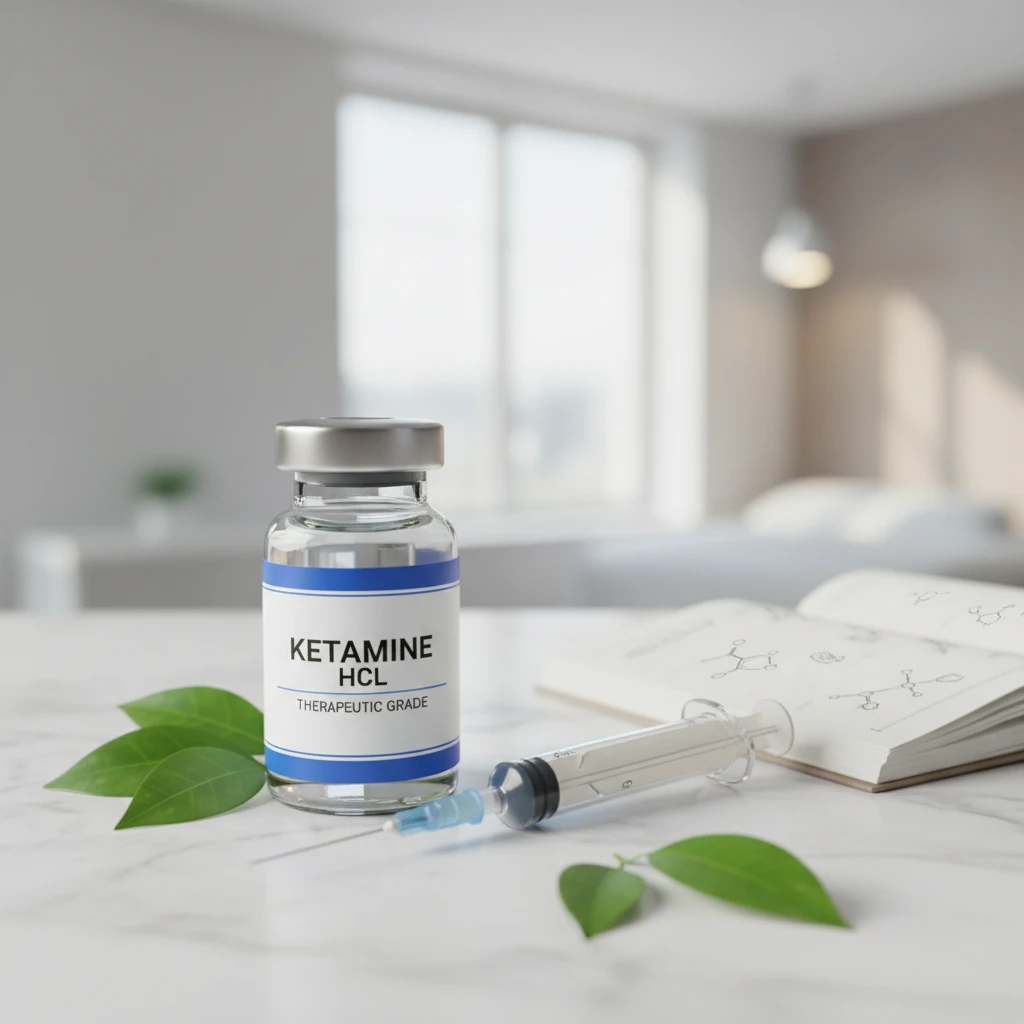
In the rapidly advancing field of mental health, innovative therapeutic modalities are continuously emerging. Among these, ketamine therapy has garnered significant attention for its potential to offer rapid relief from various psychological and neurological conditions. However, the efficacy and safety of these treatments are intrinsically linked to the quality of the ketamine used.
As we navigate 2026, understanding what constitutes “high-quality” ketamine for therapeutic purposes is paramount. This involves delving into its purity, potency, and the rigorous standards required to ensure optimal patient outcomes. This section explores the critical factors that define premium ketamine for use in a therapeutic setting.
Unlocking Therapeutic Potential: Why High-Quality Ketamine Matters in 2026
The therapeutic application of ketamine has seen a profound evolution, moving from its initial use as an anesthetic to a vital tool in addressing complex mental health challenges. In 2026, the emphasis is undeniably on high-quality, pharmaceutical-grade ketamine to maximize its healing potential while minimizing risks. This distinction is not merely semantic; it directly impacts treatment efficacy, patient safety, and the overall success of ketamine-assisted therapies. When considering ketamine for therapeutic interventions, prioritizing its source and purity is a non-negotiable step towards achieving desired outcomes.
The Evolving Landscape of Mental Health Treatment
The past decade has witnessed a significant paradigm shift in how mental health disorders are approached. Traditional treatments, while valuable, often fall short for individuals suffering from severe or treatment-resistant conditions. This has spurred the exploration and integration of novel therapeutic avenues, including psychedelics and related compounds. Ketamine, in particular, has emerged as a frontrunner due to its unique mechanism of action, offering a rapid antidepressant effect that can be life-changing for many. The growing body of research and the increasing acceptance by medical professionals highlight its crucial role in a diversified mental health treatment ecosystem.
Ketamine’s Unique Role in Psychotherapy
Ketamine’s distinct properties allow it to facilitate profound shifts in perception and emotional processing, making it an ideal adjunct to psychotherapy. Unlike many conventional psychiatric medications that primarily target neurotransmitter levels, ketamine works by promoting neuroplasticity, essentially helping the brain form new, healthier neural connections. This enhanced neuroplasticity can break negative thought patterns and emotional ruts associated with conditions like depression and PTSD. When administered in a controlled, therapeutic environment, ketamine can open a window for deep psychological work, allowing individuals to gain new perspectives and process trauma more effectively, often in conjunction with ongoing psychotherapeutic sessions.
The Criticality of Purity and Potency for Therapeutic Outcomes
The effectiveness and safety of ketamine therapy are directly contingent upon its purity and precise potency. Impurities can not only reduce the therapeutic effect but also introduce unpredictable and potentially harmful side effects. Pharmaceutical-grade ketamine is manufactured under strict quality control measures to ensure it contains only the active compound at the intended concentration. Using sub-standard or impure ketamine can lead to inconsistent results, ranging from a lack of efficacy to severe adverse reactions, undermining the trust and therapeutic alliance essential for successful treatment. Therefore, verifying the quality of the ketamine used is a fundamental requirement for any reputable therapeutic program.
Identifying Superior Ketamine: Key Purity Markers for Therapeutic Use
Distinguishing between pharmaceutical-grade ketamine and less reputable alternatives is crucial for ensuring safe and effective therapeutic applications. The journey to high-quality ketamine involves understanding its chemical composition, the rigor of its production, and the assurance provided by independent laboratory verification. By focusing on specific markers, individuals and practitioners can make informed decisions, safeguarding patient well-being and maximizing the therapeutic benefits of this powerful compound. Prioritizing these indicators is the first step in securing a reliable supply for critical mental health interventions.
Understanding Ketamine Hydrochloride (HCl) vs. Ketamine Enantiomers
Ketamine is typically available in two main forms: ketamine hydrochloride (HCl) and its individual enantiomers, esketamine and (S)-ketamine. For therapeutic use, ketamine hydrochloride is the most commonly administered form, known for its racemic mixture of both R- and S-enantiomers. Esketamine, the S-enantiomer, is also approved as a nasal spray for treatment-resistant depression and has shown potent antidepressant effects. Understanding the specific formulation being used is important, as dosage and effects can vary. While both are effective, the choice often depends on the specific therapeutic protocol and the patient’s individual response, with pharmaceutical-grade HCl being the standard for many intravenous and intramuscular applications.
Signs of Pharmaceutical-Grade Ketamine
Identifying pharmaceutical-grade ketamine involves looking for specific indicators that attest to its quality and safety for medical use. Key signs include clear, colorless crystalline powder or liquid, free from particulates or discoloration. It should be odorless or have a faint, characteristic smell. Crucially, pharmaceutical-grade ketamine is sourced from reputable manufacturers adhering to stringent Good Manufacturing Practices (GMP). Packaging should be sterile, tamper-evident, and clearly labeled with the chemical name, purity, lot number, and expiration date. The absence of any unusual taste or immediate adverse reactions after proper administration are also indicators of quality, though these are assessed during use, not prior to acquisition.
The Importance of Lab Testing and Certificates of Analysis (COAs)
The most reliable way to confirm the purity and potency of ketamine intended for therapeutic use is through independent laboratory testing and the review of Certificates of Analysis (COAs). A reputable supplier will readily provide a comprehensive COA for each batch, detailing the results of rigorous tests for active ingredient concentration, presence of contaminants (such as heavy metals, residual solvents, or microbial impurities), and stereoisomeric purity if applicable. This documentation is a testament to the product’s adherence to established standards. Always cross-reference COAs with the supplier’s reputation and, if possible, consider further independent testing for critical applications to ensure utmost safety and efficacy in high-quality ketamine.
Therapeutic Applications: Conditions Benefiting from High-Quality Ketamine
The therapeutic potential of high-quality ketamine extends across a spectrum of challenging conditions, offering new hope where traditional treatments have fallen short. Its unique mechanism of action, particularly its ability to promote neuroplasticity, makes it a valuable tool in managing complex neurological and psychiatric disorders. As research continues to expand our understanding, the judicious application of potent, pure ketamine is becoming increasingly central to innovative treatment paradigms. The careful selection of ketamine for these applications is paramount for achieving profound and lasting positive changes in patients’ lives.
Depression and Treatment-Resistant Depression (TRD)
High-quality ketamine has demonstrated remarkable efficacy in treating various forms of depression, most notably treatment-resistant depression (TRD). For individuals who have not responded to multiple conventional antidepressant medications and therapies, ketamine can offer a rapid and significant reduction in depressive symptoms, often within hours or days of administration. Its mechanism, believed to involve glutamate system modulation and promotion of synaptogenesis, differs fundamentally from traditional antidepressants. This makes it a crucial option for those facing debilitating and persistent depressive states, often providing a vital pathway back to functional well-being and emotional stability.
Anxiety Disorders and PTSD
Beyond depression, high-quality ketamine is showing promise in alleviating symptoms of severe anxiety disorders and post-traumatic stress disorder (PTSD). For individuals suffering from debilitating anxiety, phobias, or the intrusive thoughts, flashbacks, and emotional numbness associated with PTSD, ketamine can help to disrupt maladaptive neural pathways. This disruption, combined with its potential to induce a state of heightened suggestibility and emotional openness, can facilitate breakthroughs during psychotherapy. By reducing the intensity of anxiety and the grip of traumatic memories, ketamine-assisted therapy can enable patients to process their experiences more effectively and regain control over their emotional lives.
Chronic Pain Management and Neuropathic Pain
The analgesic properties of ketamine have long been recognized, and its application in managing chronic pain, particularly neuropathic pain, is gaining traction. Conditions such as complex regional pain syndrome (CRPS), phantom limb pain, and fibromyalgia, which are often refractory to conventional pain management strategies, can respond positively to ketamine infusions. Its ability to modulate pain signaling pathways in the central nervous system, including blocking NMDA receptors, can provide significant and sometimes long-lasting pain relief. This offers a crucial alternative for patients suffering from chronic, debilitating pain that significantly impairs their quality of life.
Dosage and Administration for Therapeutic Ketamine: A Guided Approach
The effective and safe use of ketamine in therapeutic settings hinges on a precise and individualized approach to dosage and administration. Unlike recreational use, therapeutic ketamine protocols are meticulously designed and supervised by medical professionals. This ensures that the compound is delivered via appropriate routes, at carefully calculated dosages, and within a supportive environment conducive to healing. Understanding these nuances is critical for patients and practitioners alike, as it directly influences treatment outcomes and patient safety, forming the bedrock of successful ketamine therapy for mental health and pain management.
Understanding Sublingual vs. Nasal vs. Intramuscular Routes
The route of ketamine administration significantly impacts its onset, intensity, and duration of effects, each suited to different therapeutic goals. Sublingual ketamine, absorbed under the tongue, offers a milder onset and longer duration, often used for at-home maintenance therapy or as an adjunct to psychotherapy. Nasal administration, typically esketamine, provides a rapid onset, making it suitable for acute depressive episodes. Intramuscular (IM) injections offer a faster and more potent effect than sublingual administration, with a quicker peak and shorter duration, often preferred for in-clinic sessions requiring immediate therapeutic impact. Each route requires specific dosing considerations and medical oversight.
Typical Dosage Ranges for Therapeutic Effects
Therapeutic ketamine dosages are highly individualized and depend on various factors, including the patient’s weight, medical history, the condition being treated, and the chosen administration route. For TRD and anxiety, typical intravenous (IV) infusion doses might range from 0.5 to 1.5 mg per kilogram of body weight, administered over 40 minutes. Sublingual or IM doses are often adjusted accordingly. It’s crucial to understand that therapeutic effects are not solely dose-dependent; the therapeutic setting and integration are equally vital. Dosages are carefully titrated by a qualified medical professional to achieve the desired therapeutic effect without causing undue dissociation or side effects.
The Role of Medical Supervision and Professional Guidance
The cornerstone of safe and effective ketamine therapy is unwavering medical supervision. A qualified healthcare provider, such as a psychiatrist or anesthesiologist experienced in psychedelic-assisted therapies, must oversee the entire treatment process. This includes a thorough pre-treatment assessment to determine candidacy, careful monitoring of vital signs and psychological state during administration, and comprehensive post-treatment support and integration. Professional guidance ensures that the ketamine is administered safely, that potential contraindications are managed, and that the patient receives the necessary psychological support to process their experience and maximize long-term benefits. This approach is essential for navigating the profound nature of ketamine’s effects responsibly.
Safety First: Mitigating Risks with High-Quality Ketamine
Prioritizing safety is paramount when considering ketamine for therapeutic purposes. While advancements have made higher quality substances more accessible, understanding and mitigating potential risks remains crucial. This involves recognizing that even meticulously produced ketamine carries inherent risks that must be managed through informed practices. Adhering to established safety protocols significantly enhances the therapeutic potential while minimizing adverse outcomes. This proactive approach ensures that individuals can explore the benefits of ketamine with a greater sense of security and control. Remember, responsible usage is key to unlocking the positive aspects of this powerful compound.
Potential Side Effects and How to Manage Them
Ketamine, like any potent substance, can induce a range of side effects. Acute effects often include dizziness, nausea, increased heart rate, and blood pressure. Some individuals may experience temporary cognitive impairment, disorientation, or visual distortions. While generally not severe, these can be unsettling. To manage nausea, it is advisable to consume ketamine on an empty stomach or with a very light snack, and having anti-emetic medication on hand can be beneficial. Staying hydrated and having a sober sitter present can greatly alleviate feelings of disorientation or anxiety. For cardiovascular effects, individuals with pre-existing heart conditions should consult a medical professional. Long-term or frequent use can lead to more persistent issues such as bladder problems (ketamine cystitis) or potential psychological dependence, underscoring the importance of intermittent and supervised use.
Contraindications and Pre-screening Essentials
Before embarking on ketamine therapy, a thorough pre-screening process is non-negotiable. Certain medical and psychological conditions can make ketamine use particularly risky. Individuals with uncontrolled hypertension, severe cardiovascular disease, or a history of psychosis (like schizophrenia) should generally avoid ketamine. A comprehensive medical history review is essential to identify any potential contraindications. This includes discussing all current medications, as some can interact negatively with ketamine. Mental health assessments are equally important to gauge an individual’s stability and suitability for the experience. Consulting with a qualified healthcare provider or a therapist experienced in psychedelic-assisted therapies is the most critical step to ensure safety and appropriateness for treatment.
Creating a Safe and Supportive Environment for Your Experience
The environment in which ketamine is administered plays a significant role in the overall experience and safety. Establishing a calm, comfortable, and familiar setting is essential. This typically means a quiet room, free from distractions, with soft lighting and comfortable seating or a bed. It is highly recommended to have a trusted, sober individual present – a “sitter” – who can provide support, reassurance, and assistance if needed, but without being intrusive. This person should be briefed on potential reactions and emergency procedures. Preparing oneself mentally beforehand, perhaps through meditation or journaling, can also enhance the experience. Ensuring all practical needs are met prior to the session, such as restroom access and hydration, minimizes the need to interrupt the introspective journey.
The Science Behind Ketamine Therapy: Recent Research and Clinical Insights (2026)
As of 2026, scientific research continues to illuminate the complex mechanisms and expanding therapeutic applications of ketamine. Its unique neurobiological effects have moved beyond its anesthetic properties to demonstrate significant potential in treating various mental health conditions. Ongoing studies are not only refining our understanding of how ketamine works at a cellular level but also exploring its efficacy in treating conditions previously considered intractable. The field is rapidly evolving, with a growing body of evidence supporting its role as a powerful tool in the mental health landscape. This evolving scientific understanding underpins the increasing interest in high-quality ketamine for therapeutic outcomes.
Neurobiological Mechanisms of Action
Ketamine’s therapeutic effects are largely attributed to its action on the glutamate system, particularly its role as an antagonist of the N-methyl-D-aspartate (NMDA) receptor. This blockade leads to a cascade of downstream effects, including increased release of glutamate, which in turn stimulates other receptors like AMPA. This rapid surge in synaptic activity is believed to promote neuroplasticity – the brain’s ability to form new neural connections and reorganize itself. This neuroregenerative process is thought to be key to its antidepressant and anxiolytic effects, effectively helping to “rewire” neural circuits disrupted by conditions like depression and PTSD. Research also points to its influence on brain-derived neurotrophic factor (BDNF), a protein crucial for neuronal growth, survival, and function.
Emerging Studies on Long-Term Efficacy
While initial studies focused on the acute effects of ketamine, recent research is increasingly examining its long-term efficacy and durability of effects. Many studies now report sustained improvements in mood and reduced suicidal ideation for weeks or even months following a series of ketamine treatments, particularly when combined with psychotherapy. Emerging data suggests that periodic booster treatments may be beneficial for maintaining therapeutic gains. Furthermore, research is investigating ketamine’s role in preventing relapse in conditions like bipolar depression and addiction. The focus is shifting towards optimizing treatment protocols, including dosage, frequency, and duration, to maximize long-term benefits while minimizing potential adverse effects, making it a promising avenue for chronic mental health management.
Ketamine’s Synergistic Effects with Other Therapies
A significant area of current research explores the synergistic potential of ketamine when used in conjunction with traditional psychotherapies. The rapid antidepressant and anti-anxiety effects of ketamine are thought to create a “window of opportunity” where individuals are more receptive to therapeutic interventions. This allows psychotherapeutic modalities, such as cognitive behavioral therapy (CBT) or psychodynamic therapy, to be more effective in addressing underlying issues and reinforcing positive changes. Combining ketamine with talk therapy is emerging as a potent strategy for achieving deeper and more lasting healing. Studies are actively investigating which therapeutic approaches pair best with ketamine and how to structure these integrated treatments for optimal patient outcomes, moving towards a more holistic approach to mental wellness.
Procuring High-Quality Ketamine: What to Look for in a Trusted Vendor
When seeking high-quality ketamine for therapeutic use, diligence in selecting a vendor is paramount. The effectiveness and safety of the substance directly depend on its purity, accurate dosage, and proper handling. A trusted vendor will demonstrate transparency regarding their sourcing, testing, and quality control measures. It’s crucial to look for suppliers who explicitly state that their products are intended for research or therapeutic contexts, rather than recreational use. Red flags include vague product descriptions, lack of verifiable testing information, or unusually low prices, which can indicate adulterated or substandard products. Prioritizing vendors with a strong reputation for ethical practices and customer satisfaction is essential for a safe and reliable procurement process.
Discreet Packaging and Reliable Shipping in the US and Globally
For many individuals seeking ketamine, discretion is a significant concern, often due to legal or social factors. Reputable vendors understand this and employ discreet packaging methods that do not reveal the contents of the shipment. This typically involves using plain outer packaging with no identifying logos or labels that would indicate the nature of the product inside. Furthermore, reliable shipping is critical to ensure the product arrives in good condition and within a reasonable timeframe. Vendors should provide tracking information for all orders, allowing customers to monitor their package’s progress. Companies that offer international shipping should be well-versed in navigating customs regulations to minimize delays and ensure successful delivery to various global destinations, adhering to all relevant import laws.
Customer Support and Educational Resources
A hallmark of a trustworthy ketamine vendor is their commitment to comprehensive customer support and the provision of robust educational resources. This includes offering accessible channels for customer inquiries, such as email, live chat, or phone support, staffed by knowledgeable individuals who can address questions about product specifications, ordering, and shipping. Beyond support, vendors should provide detailed product information, including purity assays, recommended storage conditions, and potential applications or contraindications. Access to research summaries, safe usage guides, and harm reduction information empowers customers to make informed decisions. A vendor that actively educates its clientele fosters a culture of responsible use and significantly enhances the safety profile for consumers.
Prioritizing Purity, Potency, and Provenance
The cornerstone of high-quality ketamine lies in its purity, potency, and clearly documented provenance. A reputable vendor will proactively provide certificates of analysis (CoAs) for their products, detailing the exact percentage of ketamine and the absence of contaminants. Potency refers to the concentration of the active compound, which must be accurately stated to allow for precise dosing. Provenance, or the origin and history of the substance, is equally important; knowing where and how the ketamine was synthesized or sourced offers assurance of its integrity. Vendors who are transparent about their quality assurance processes, including third-party lab testing and ethical sourcing, are the most reliable. This commitment ensures that consumers receive a safe, effective, and accurately represented product.
Navigating the Legalities: Understanding Ketamine’s Status
Understanding the legal landscape surrounding ketamine is essential for anyone considering its therapeutic use, whether for personal exploration or under clinical guidance. Legal status varies significantly by country and even within regions, creating a complex environment for access. It is crucial to be aware of the specific regulations that apply to your location and intended use. Ignorance of the law is not a defense, and unauthorized possession or distribution can carry severe penalties. This section aims to provide a foundational understanding of the general legal frameworks, but it is always advisable to consult with legal counsel or conduct thorough, location-specific research to ensure full compliance.
Current Legal Frameworks in the United States
In the United States, ketamine is classified as a Schedule III controlled substance under the Controlled Substances Act. This means it has a currently accepted medical use in treatment in the U.S., a low potential for abuse relative to the substances in Schedule I and II, and abuse or dependence potential that is limited. It is legally prescribed by physicians for anesthetic purposes and, increasingly, for treatment-resistant depression, chronic pain, and other mental health conditions, often administered in clinical settings or via telemedicine under strict medical supervision. Possession or distribution outside of a valid prescription is illegal and carries significant penalties. The legal pathway for accessing ketamine for therapeutic use primarily involves consultation with licensed medical professionals and obtaining a prescription through approved channels.
International Regulations and Considerations
Globally, the legal status of ketamine ranges from being a widely accepted medical anesthetic and therapeutic agent in many countries to being a strictly controlled or even illegal substance in others. Many nations mirror the U.S. classification as a prescription-only medication, often within their own controlled substance schedules. However, some countries have stricter regulations due to concerns about recreational misuse and potential for diversion. Traveling with ketamine, even with a valid prescription, can be problematic and requires meticulous research into the destination country’s laws and potentially obtaining special permits. It is critical for individuals seeking to use ketamine internationally to understand and comply with the specific regulations of each relevant jurisdiction.
Ethical Sourcing and Responsible Consumption
Ethical sourcing and responsible consumption are vital tenets for anyone engaging with ketamine. Ethically sourced ketamine implies that the substance has been produced and distributed through channels that prioritize safety, quality, and legality, avoiding exploitative or illicit networks. This aligns with the principles of responsible use, which emphasize informed consent, understanding potential risks and benefits, and using the substance in a manner that minimizes harm to oneself and others. Prioritizing ethical suppliers ensures that the product is pure and accurately dosed, contributing to a safer experience. Responsible consumption involves setting clear intentions, using ketamine within appropriate settings, ideally with professional guidance or trained support, and respecting legal boundaries, thereby promoting both personal well-being and a conscientious approach to psychoactive substances.
Beyond the Substance: Integrating Ketamine into a Comprehensive Wellness Plan
While the pharmacological effects of high-quality ketamine are crucial for therapeutic breakthroughs, its true potential is unlocked when integrated into a broader wellness framework. This involves more than just the administration of the substance; it encompasses preparation, integration, and ongoing lifestyle adjustments. Therapeutic success hinges on a holistic approach that addresses the mind-body connection and fosters sustainable mental health improvements. Without this careful integration, the insights gained during a ketamine-assisted session may fade, or individuals might struggle to translate those experiences into lasting change. This comprehensive strategy is essential for maximizing the long-term benefits and minimizing potential drawbacks, ensuring that the ketamine experience serves as a catalyst rather than a standalone solution.
The Importance of Integration Sessions with Therapists
Following a ketamine therapy session, integration sessions with a qualified therapist are paramount. These sessions provide a safe and guided space to process the complex emotions, insights, and potentially challenging experiences that may arise. A therapist can help an individual make sense of newfound perspectives, work through any residual difficult feelings, and develop concrete strategies for applying these insights to daily life. This guided processing is critical for solidifying gains and preventing the regression of symptoms. Without adequate integration, the powerful but often fleeting revelations from a ketamine experience can be lost, diminishing its overall therapeutic value. Therapists trained in psychedelic-assisted therapy are equipped to navigate these discussions, offering support and tools for continued growth beyond the immediate effects of the substance. Research suggests that the integration phase is as vital as the ketamine session itself for achieving lasting therapeutic outcomes, particularly in conditions like depression and PTSD.
Mindfulness and Self-Care Practices
Complementing ketamine therapy with regular mindfulness and self-care practices can significantly amplify its benefits and support long-term recovery. Techniques such as meditation, deep breathing exercises, journaling, and mindful movement help to ground individuals in the present moment and cultivate self-awareness. These practices enhance the ability to observe thoughts and emotions without immediate judgment, a skill that is often strengthened during ketamine sessions. By regularly engaging in these activities, individuals can build resilience and develop coping mechanisms for stress and difficult emotions. Consistent self-care also promotes overall well-being, creating a more stable foundation upon which therapeutic gains can be built. For instance, establishing a daily meditation routine can help someone maintain a sense of calm and clarity that was previously difficult to access, thereby reinforcing the positive shifts initiated by ketamine therapy. Prioritizing sleep, nutrition, and gentle physical activity further contributes to a robust wellness plan.
Long-Term Strategies for Mental Well-being
Achieving sustained mental well-being after ketamine therapy requires the development of robust, long-term strategies. This involves proactively building a lifestyle that supports emotional regulation, resilience, and continued personal growth. Key components include fostering strong social connections, engaging in meaningful activities or work, and establishing healthy routines that prioritize sleep and nutrition. For individuals who have benefited from ketamine’s ability to disrupt negative thought patterns, maintaining these positive habits becomes essential in preventing relapse. This might involve continued therapy, support groups, or the consistent application of learned coping mechanisms. The insights gained during ketamine-assisted sessions can serve as a powerful motivator to implement these changes, providing a renewed perspective on what truly contributes to a fulfilling life. Exploring options for responsibly sourced substances, such as those discussed for legal psychedelics for sale, can be part of a broader self-care and exploration journey when approached with an emphasis on safety and therapeutic intent.
Real-World Impact: Testimonials on High-Quality Ketamine Therapy
The profound impact of high-quality ketamine therapy is best understood through the experiences of those who have undergone treatment. These testimonials offer invaluable insights into the transformative potential of this therapeutic modality, moving beyond clinical data to illustrate personal journeys of recovery and enhanced well-being. Individuals often report a significant reduction in symptoms associated with conditions like treatment-resistant depression, anxiety, and PTSD, but the benefits frequently extend into a broader sense of improved life satisfaction and emotional resilience. Hearing directly from users provides a compelling narrative of how ketamine can facilitate profound shifts in perspective and emotional state. These accounts underscore the importance of not only the substance itself but also the supportive therapeutic environment in which it is administered. The effectiveness is often described as a “reset” button for the brain, allowing individuals to break free from entrenched negative cycles and re-engage with life more fully.
Stories of Transformation and Recovery
Many individuals share stories of transformation, describing how ketamine therapy has been a pivotal point in their mental health journey. For instance, a hypothetical patient, “Sarah,” struggled with severe depression for over a decade, having tried numerous conventional treatments with limited success. After a course of ketamine-assisted therapy, she reported a dramatic uplift in mood and energy, coupled with a renewed sense of hope. “It felt like a fog had lifted,” Sarah shared, detailing how she could finally engage with activities she once loved and reconnect with her family. Another individual, “Mark,” who suffered from debilitating PTSD following a traumatic event, found that ketamine helped him process deeply buried memories and reduce intrusive thoughts. These narratives highlight a common theme of regaining agency and a vital quality of life. Such accounts are crucial for understanding the lived experience of ketamine therapy and its capacity to facilitate deep-seated emotional healing and recovery.
Insights from Individuals Seeking Alternative Treatments
For many, ketamine therapy represents a vital alternative when traditional treatments fall short. These individuals often come with a history of extensive psychiatric interventions, including various medications and psychotherapies, that have not yielded satisfactory results. They seek novel approaches that can offer relief from persistent suffering. Testimonials from this group frequently emphasize the uniqueness of ketamine’s mechanism in breaking cycles of rumination and despair. One user, who wished to remain anonymous, stated, “I had resigned myself to living with chronic anxiety, but ketamine offered a way out. It didn’t just mask the symptoms; it felt like it rewired my brain’s ability to cope.” Another shared, “As someone who values a holistic approach, finding a treatment that combines potent pharmacological effects with the potential for deep psychological insight was a game-changer.” These perspectives underscore the growing recognition of ketamine as a valuable tool for those pursuing comprehensive mental health solutions.
The Value of Verified User Experiences
Verified user experiences offer a crucial layer of authenticity and trust when evaluating the efficacy of ketamine therapy. These accounts, often found on reputable platforms or shared within patient communities, provide real-world evidence of outcomes. They detail not only the positive transformations but also potential challenges encountered and how they were navigated. The credibility of these testimonials is enhanced when they come from individuals who have documented their journeys with clarity and consistency. For example, a verified review might detail a specific regimen, the type of therapeutic support received, and the measurable impact on daily functioning. This information can be instrumental for prospective patients in setting realistic expectations and understanding the diverse pathways to recovery. Examining these firsthand accounts helps to demystify the process and reinforces the potential for significant improvement in mental health and overall quality of life, particularly when individuals have focused on sourcing high-quality ketamine, such as that discussed on High-Quality Ketamine: Verified Purity.
The integration of ketamine into a comprehensive wellness plan, supported by real-world experiences, offers a compelling vision for mental health recovery. These narratives underscore the profound personal shifts that can occur when therapeutic substances are approached with intention and supported by ongoing care.
For those interested in exploring such avenues, resources that ensure the responsible and safe procurement of substances are vital. Psychedelics99.com offers a pathway to acquiring carefully vetted products, supporting individuals in their pursuit of therapeutic and personal growth through informed and secure purchasing practices.
Leave a Reply